

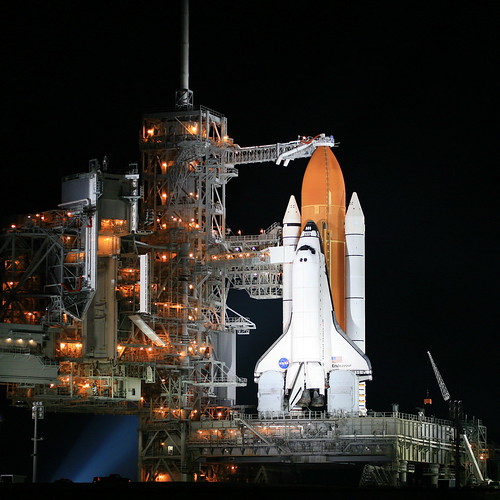
Shuttle Atlantis rolling in to the Orbiter Processing Facility for the last time. Many at NASA are breathing a sigh of relief. She is now a museum piece, like the others, and history may reflect that the Shuttle was the least safe human launch vehicle ever allowed to launch.
Now that the program is behind us, let me share what Shana Dale, former Deputy Administrator of NASA, told me with apprehension before the final flights: there was a 1/78 chance of total crew loss on each flight.
Space tourists like Garriott, who spent millions and had to learn Russian to fly with Soyuz, would not fly Shuttle even if it were free. Remember the o-rings? The segmented solid boosters were a tribute to politics over safety; for the inland state of Utah to win the business over those with coastal barge access, they had to be able to ship the motors out by rail, necessitating a segmented design deemed unsafe by all other space programs.
Oh, and it averaged $1 billion of expense per launch, with a ground support crew of 6,000 people (compared to 35 for SpaceX launches from the same Florida Cape).
Unlike Mercury, Gemini, Apollo and the latest crew launch vehicles, the Shuttle had no abort mechanism. She is perplexing in retrospect. When the Russians copied the Shuttle, they flew the Buran robotically for its first and only flight to a successful landing. STS-1, on the other hand, had the fearless John Young of the first manned Gemini flight (and GT-10, Apollo 10 and Apollo 16 under his belt).
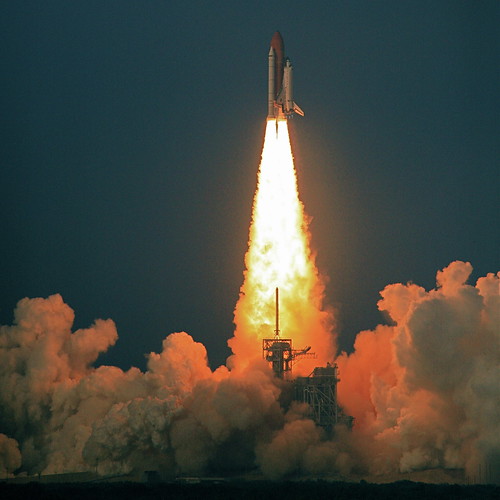
David Knight has been filming the final Shuttle activity in 4K 3D (stay tuned for some amazing footage). This photo is by his son who was with him on location. Posted with permission, but if reused, please credit Knight. My photos are below.




Leave a Reply to Shamagu Cancel reply