-
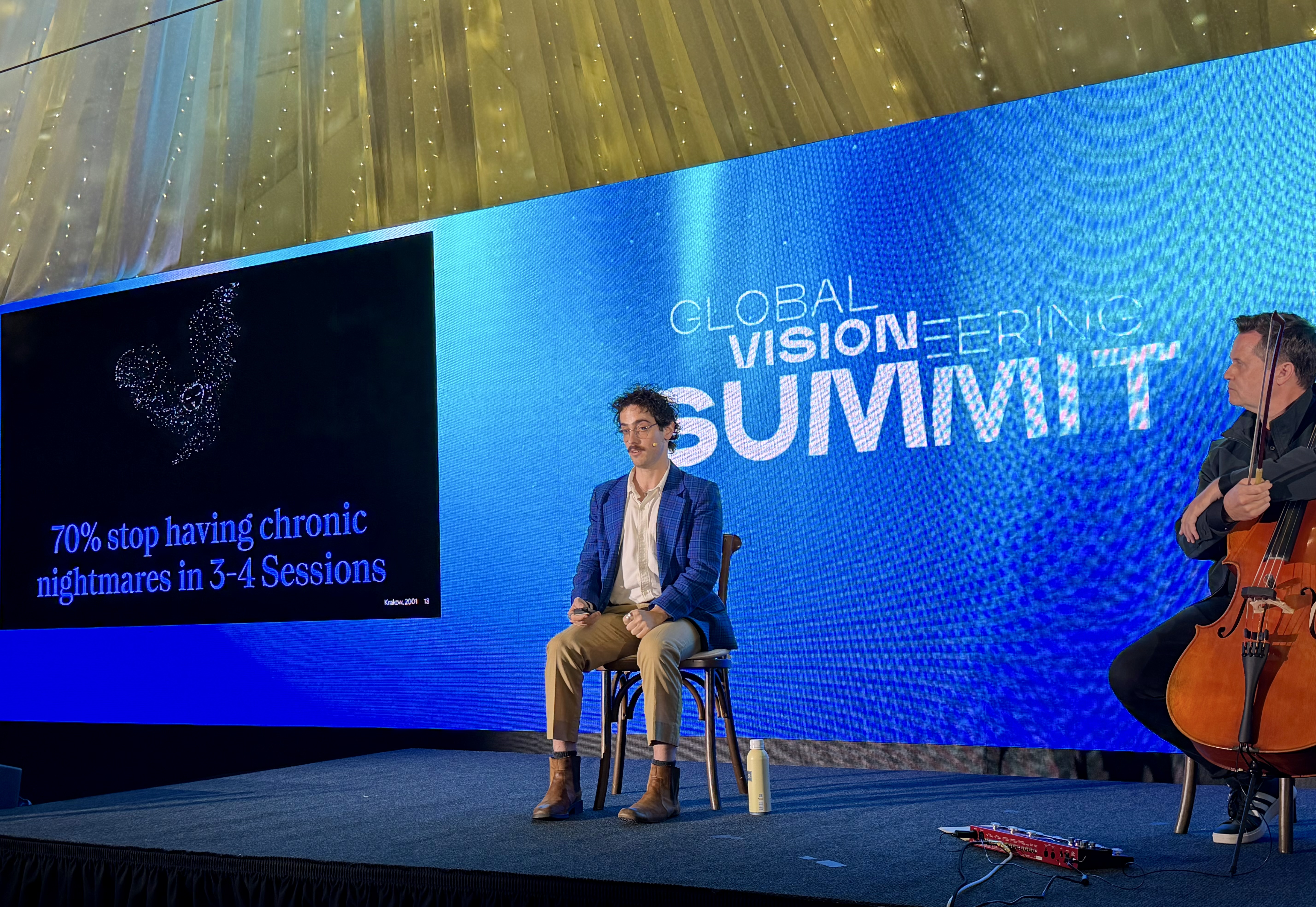
Ghost Owl
a visage, complete with wings, beak and claw, about to land on my fingers…. A visitation for Halloween today.
No comments on Ghost Owl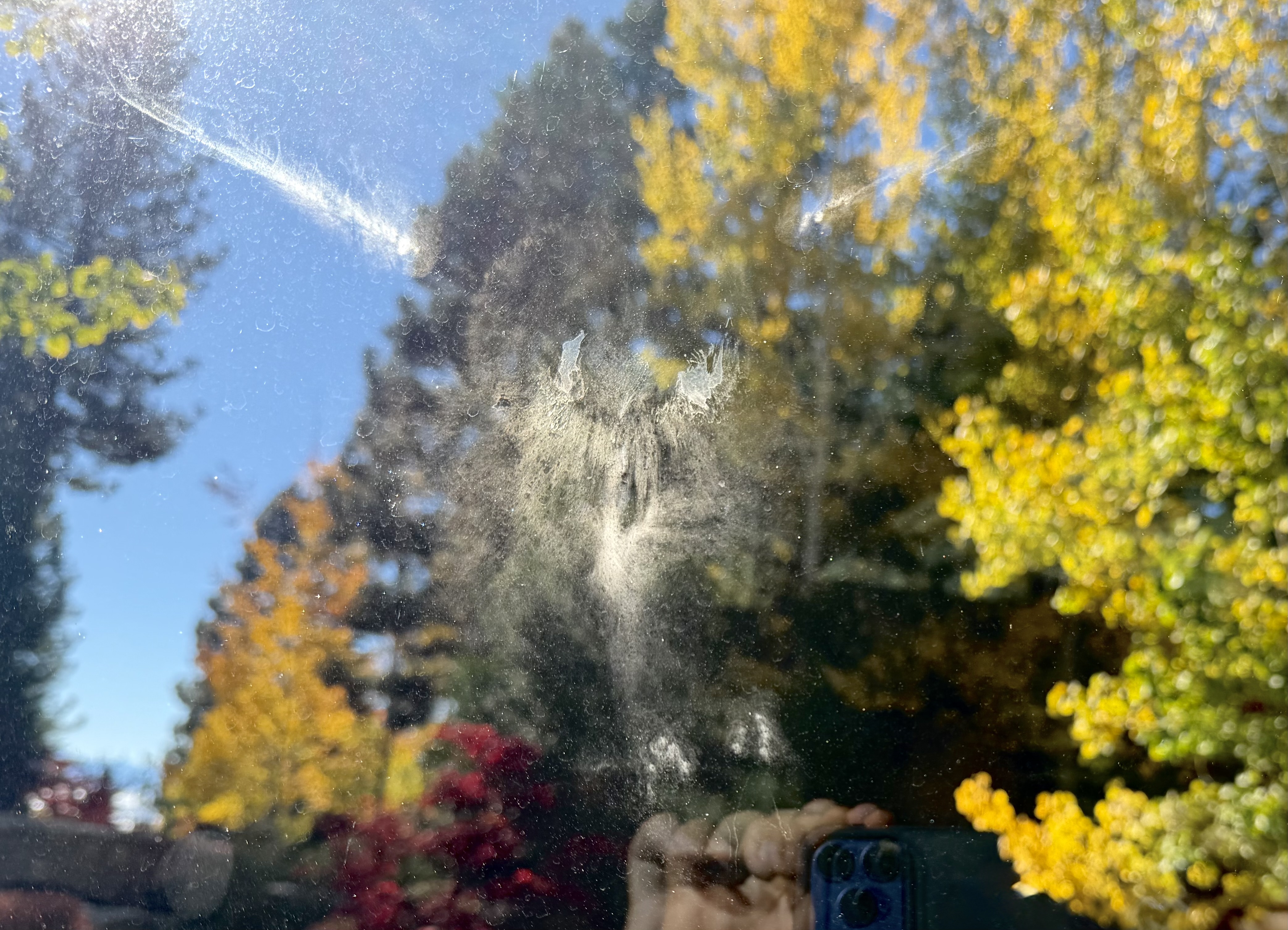
-
Thermal Club Dinners
after race days, a delicious place to decompress and rehydrate
Categories: Wheelz (259)Post Tags: 296 (4), 488 (4), cars (26), challenge (24), club (68), ferrari (11), race (48), thermal (27)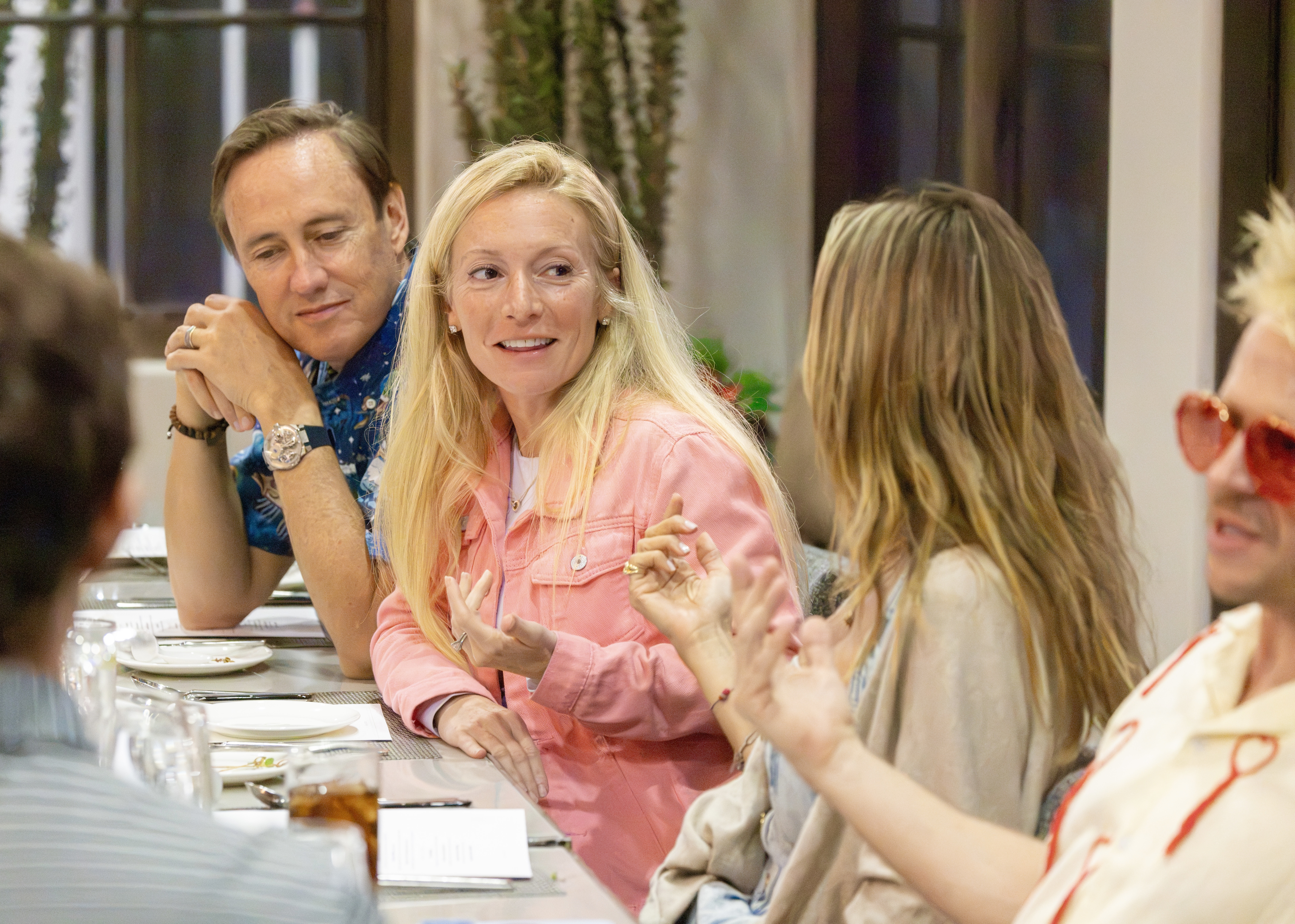
-
Peekaboo
Gen going for a ride with Naveen Rao at the wheel in the Ferrari 488
Categories: Wheelz (259)Post Tags: 296 (4), 488 (4), cars (26), challenge (24), club (68), ferrari (11), race (48), thermal (27)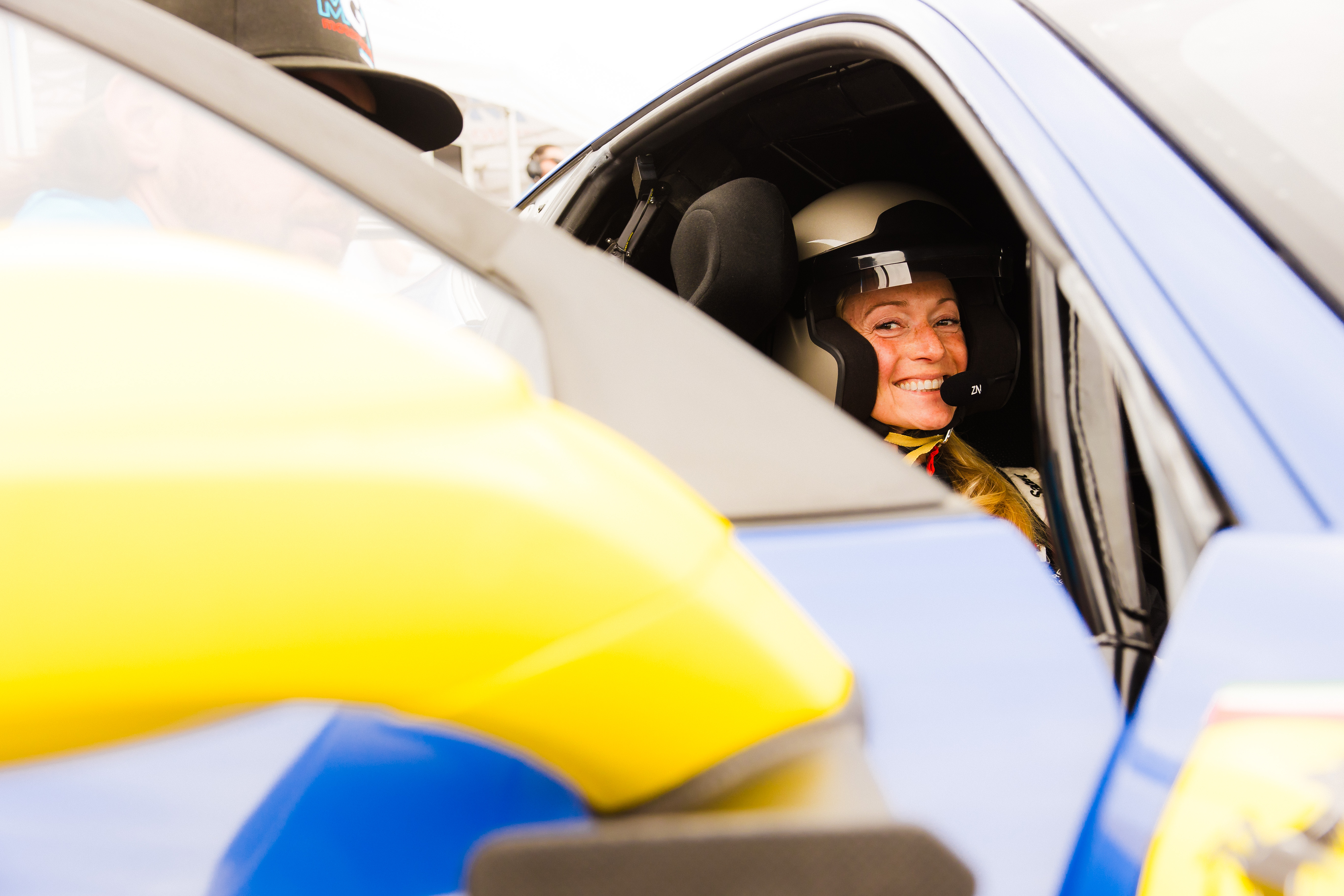
-
Post-Drive Review with the Coach
Thermal racing with Naveen Rao weekend.
Categories: Wheelz (259)Post Tags: 296 (4), 488 (4), cars (26), challenge (24), club (68), ferrari (11), race (48), thermal (27)
-
Post Flight in the Ferrari 296
my first time driving this beast
Categories: Wheelz (259)Post Tags: 296 (4), 488 (4), cars (26), challenge (24), club (68), ferrari (11), race (48), thermal (27)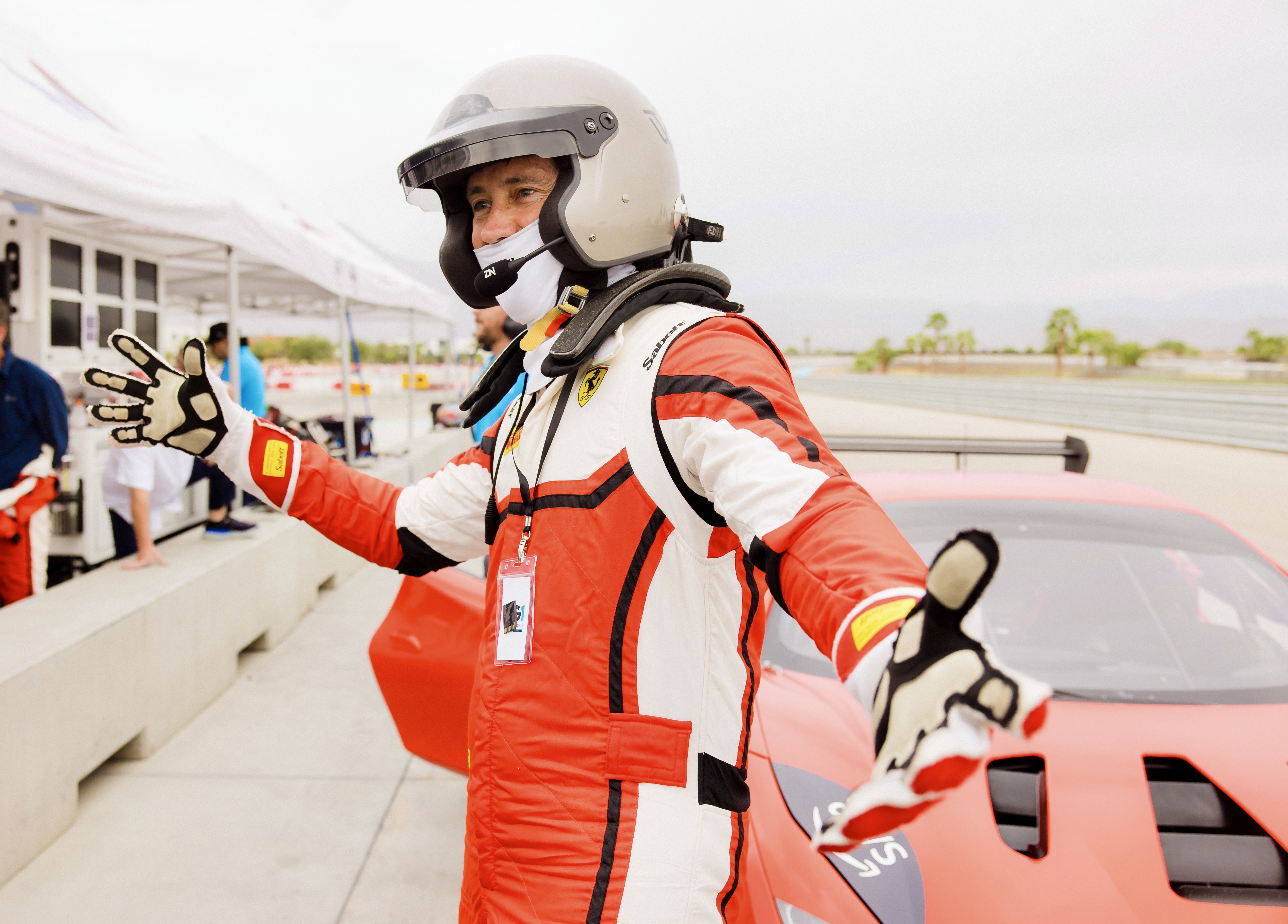
-
Talking Space, Moon Base and Xona’s raise today on Fox News
9 minute segment on Fox news today. Xona holds the first and only FCC license to operate a commercial GPS service. By flying a constellation closer to Earth, the service is 100x more powerful, so it even works indoors. And more precise, to cm resolution. And more secure and robust to spoofing. And it’s backward… Read More
Categories: TV (87)Post Tags: 250m, clayman, fox (10), funding (16), gps (38), liz (5), news (19), precision” (9), space (569), tv (52), xona (8)
-
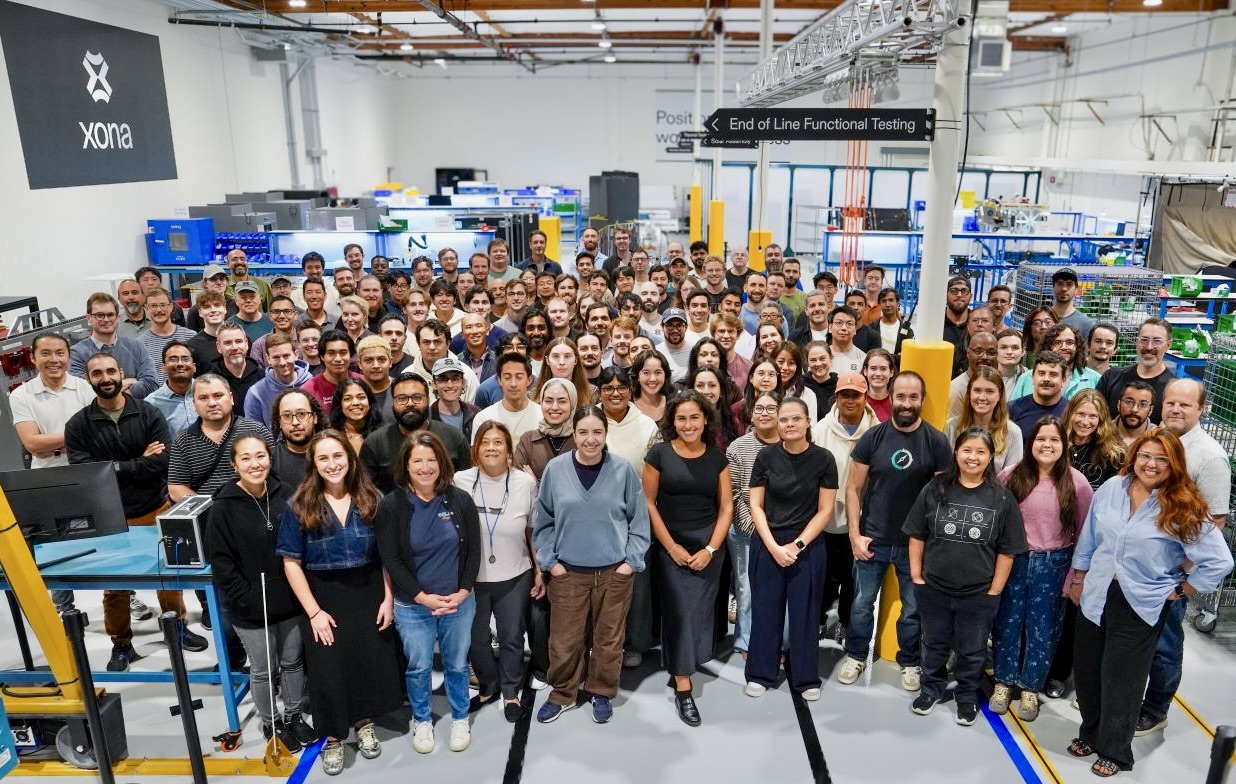
XONA Space raises another $250M for next-gen GPS
Co-led by Future Ventures. Xona holds the first and only FCC license to operate a commercial GPS service. By flying a constellation closer to Earth, the service is 100x more powerful, so it even works indoors. And more precise, to cm resolution. And more secure and robust to spoofing. And it’s backward compatible with existing… Read More
-
Forbes 250 Greatest Living Optimists
I have never met a rich pessimist. Perhaps they are like crabs, doing some garbage collection, but they rarely drive progress for humanity. So, it was with some delight that I got an email from Forbes this morning saying their analytical engine deemed me the #63 "greatest living optimist". 😋 Forbes: “Optimism is at the… Read More
Categories: Biographical Sketches (1287)
-
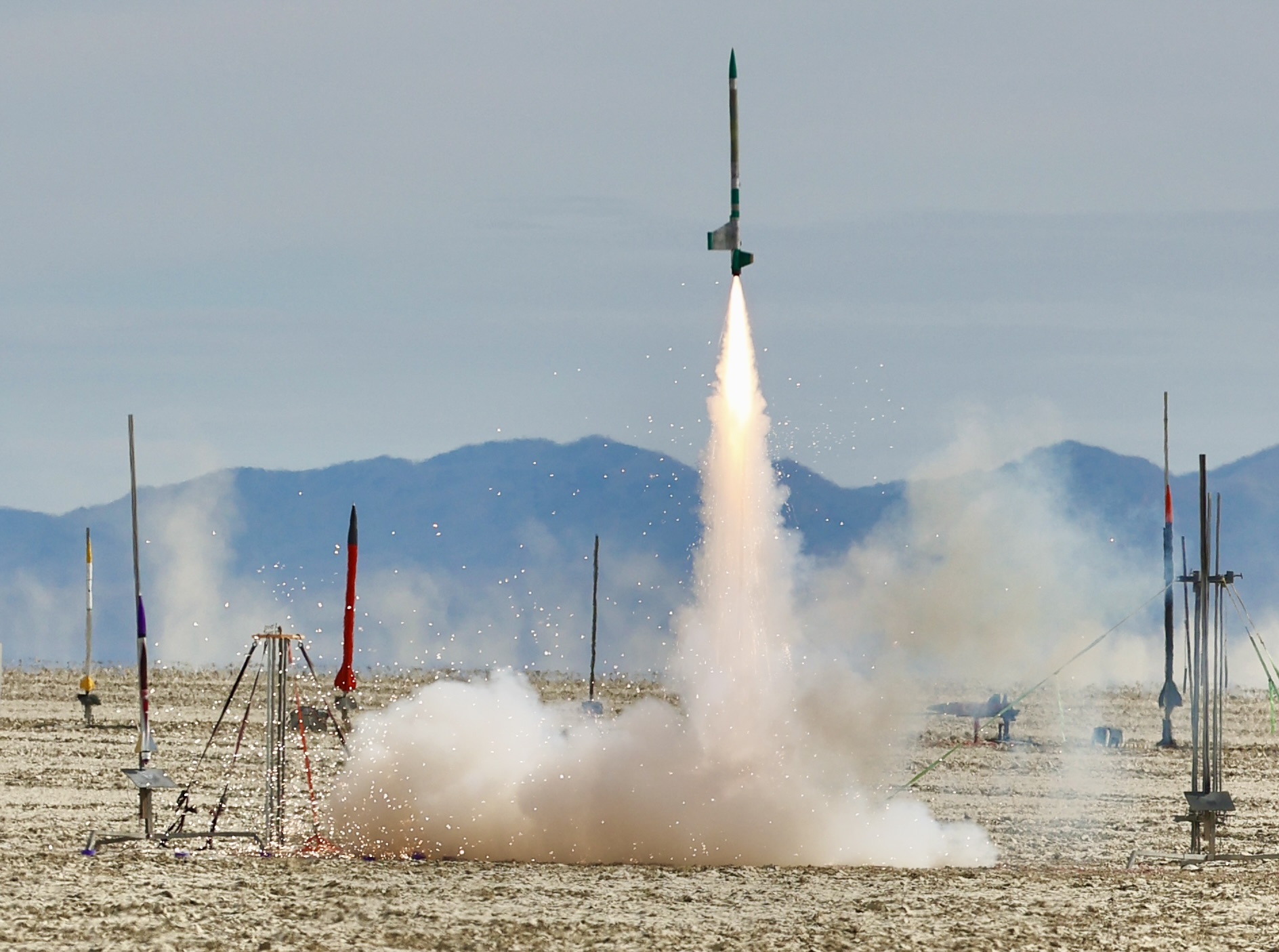
Final Frankenrocket Flight at BALLS 2026
We knew this would be a heads-up flight. The asymmetric fin can flew well twice before on smaller motors, but this time we went with a vintage K540 metalstorm motor that was 20 years old. The ascent was stable, as before, but the ejection charge blew just 1.5 seconds after liftoff. You can see the… Read More
-
The Dream Weavers of Dust ✨
What if you could direct your dreams with auditory conditioning? Away from nightmares. Towards healing, even “reviving” lost loved ones. Adam Horowitz, CEO of Dust Systems, described just that at XPRIZE VISIONEERING 2026. Summary points: • BBC: “Dream Engineering is the #1 most powerful idea of the 21st Century.” • The suicide rate is 8x… Read More